
Save the Date for the 2027 Annual Conference – September 27-29, 2027, St. Louis, Missouri
Civitas Networks for Health® affirms the vital role of its members in advancing interoperability and improving health at the individual, population, and public levels. Our goal is to build strategic partnerships, influence funding and policy decisions, and advocate for regulatory actions that enable and sustain the impactful work of our members.
Civitas represents a diverse national network of organizations that operate and support critical national infrastructure for health. In 2026, we will build on our work from 2025 by continuing to demonstrate how member capabilities improve cost, safety, quality, and upstream drivers of health in the communities they serve.
This advocacy agenda articulates Civitas’ shared policy priorities and serves as a framework for engaging with federal policymakers, agencies, partners, and funders. It is grounded in areas of broad alignment across a diverse membership and reflects Civitas’ role in translating community-based practice into broader system impact.
Across member types, Civitas is united by the belief that data-enabled, multi-stakeholder collaboration and public-private partnerships within defined regions are essential to building sustainable solutions and a stronger health system. Civitas members demonstrate how locally governed, interoperable infrastructure can support national priorities through measurable progress at the local, state, regional, and national levels.
In the year ahead, Civitas will prioritize advocacy that:
• Strengthens community-based and state-level data infrastructure as a public good
• Aligns federal health policy and investment with existing state, regional, and community-based capabilities
• Advances responsible data use to support care delivery, public health, and upstream drivers of health
• Creates the policy and funding conditions needed for long-term system stewardship
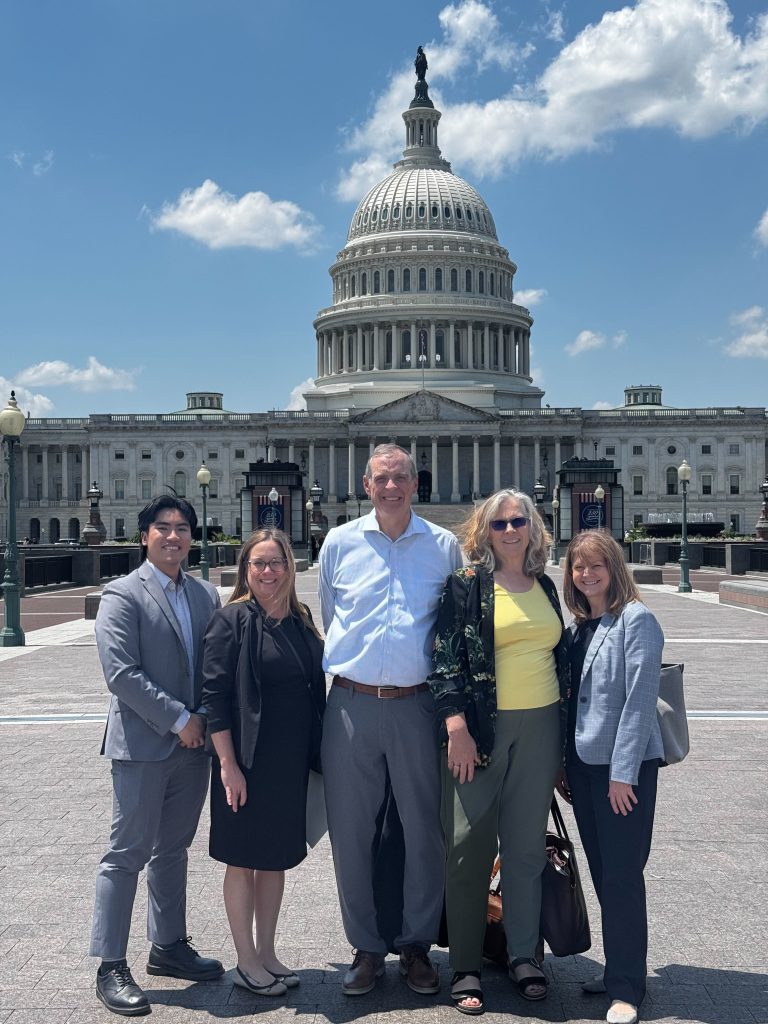
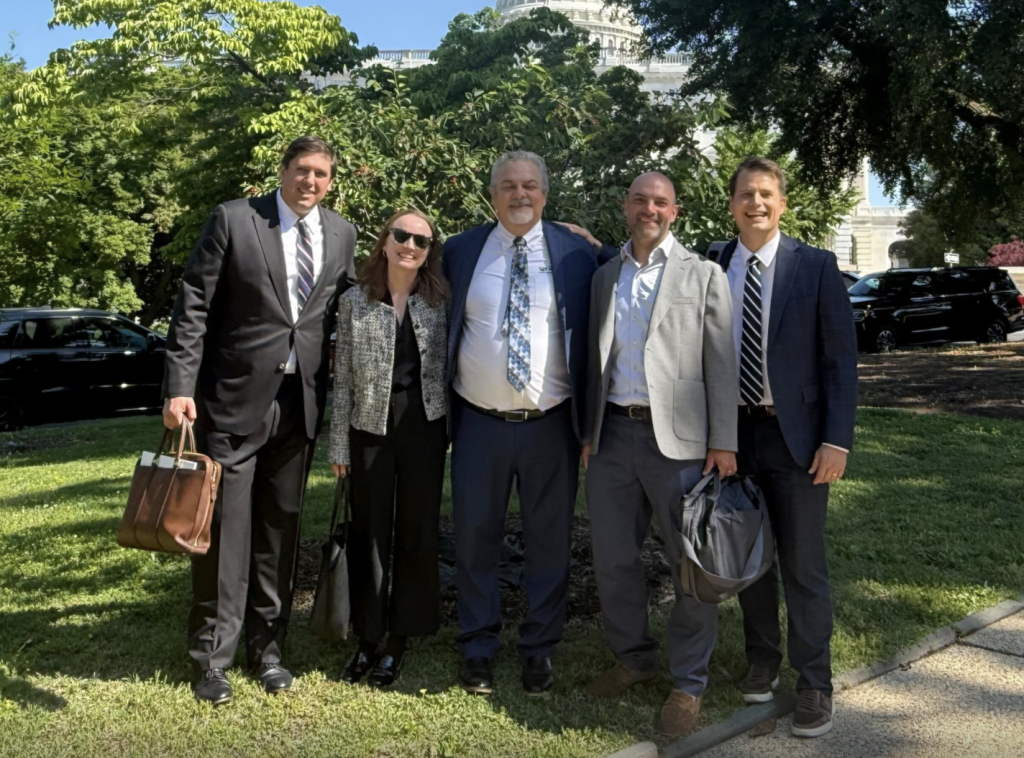
Each year, Civitas brings together member leaders from across the country for our Annual D.C. Fly-In—an opportunity to elevate the role of community-governed health data infrastructure in advancing federal priorities.
During Fly-In meetings with policymakers and federal agencies, Civitas members demonstrate how locally driven, interoperable infrastructure—spanning HIEs, HDUs, APCDs, QIOs, and RHICs—supports measurable progress in cost, quality, safety, and community health outcomes.
These conversations reinforce that Civitas members are a critical implementation layer for national initiatives, translating federal policy into real-world impact in states and communities.
As Congress and federal agencies advance new programs and requirements, Civitas members offer practical, on-the-ground expertise—highlighting what works, where gaps remain, and how to strengthen data-driven collaboration nationwide.
Civitas is actively monitoring and analyzing key federal policy developments impacting health data infrastructure, interoperability, and community-based care. Through timely briefs, we help members and partners stay informed on emerging regulations, legislative changes, and national initiatives shaping the broader health care landscape—from evolving Medicaid and marketplace policies to new interoperability milestones and federal health IT priorities.
| Cookie | Duration | Description |
|---|---|---|
| cookielawinfo-checkbox-analytics | 11 months | This cookie is set by GDPR Cookie Consent plugin. The cookie is used to store the user consent for the cookies in the category "Analytics". |
| cookielawinfo-checkbox-functional | 11 months | The cookie is set by GDPR cookie consent to record the user consent for the cookies in the category "Functional". |
| cookielawinfo-checkbox-necessary | 11 months | This cookie is set by GDPR Cookie Consent plugin. The cookies is used to store the user consent for the cookies in the category "Necessary". |
| cookielawinfo-checkbox-others | 11 months | This cookie is set by GDPR Cookie Consent plugin. The cookie is used to store the user consent for the cookies in the category "Other. |
| cookielawinfo-checkbox-performance | 11 months | This cookie is set by GDPR Cookie Consent plugin. The cookie is used to store the user consent for the cookies in the category "Performance". |
| viewed_cookie_policy | 11 months | The cookie is set by the GDPR Cookie Consent plugin and is used to store whether or not user has consented to the use of cookies. It does not store any personal data. |